
Description
Geothermal power generation is the most important way of utilizing geothermal energy. High-temperature geothermal fluids should be primarily applied to power generation. The principle of geothermal power generation is the same as that of thermal power generation, both of which utilize the thermal energy of steam to convert it into mechanical energy in a steam turbine, which then drives a generator to produce electricity. The difference is that geothermal power generation does not require a large boiler like thermal power generation, nor does it consume fuel; the energy it uses is geothermal energy. The process of geothermal power generation involves first converting underground thermal energy into mechanical energy, and then converting the mechanical energy into electrical energy. To utilize underground thermal energy, a "heat carrier" is needed to bring the underground thermal energy to the surface. Currently, the main heat carriers that can be utilized by geothermal power stations are underground natural steam and hot water. According to the type, temperature, pressure, and other characteristics of the heat carrier, geothermal power generation can be divided into two major categories: steam-type geothermal power generation and hot water-type geothermal power generation.
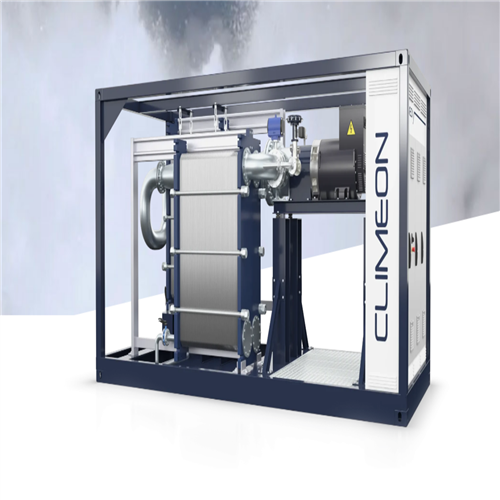
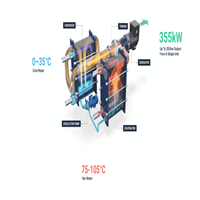
Dual-cycle power generation system: also known as organic working fluid Rankine cycle system. It utilizes low-boiling-point organic compounds as the working fluid, allowing it to absorb heat from geothermal fluids within a flowing system, thereby generating organic steam. This steam then drives the turbine to rotate, which powers the generator to produce electricity.
Dual-cycle power generation system: also known as organic working fluid Rankine cycle system. It utilizes low-boiling-point organic compounds as the working fluid, allowing it to absorb heat from geothermal fluids within a flowing system, thereby generating organic steam. This steam then drives the turbine to rotate, which powers the generator to produce electricity.