
Description
Introduction to the Smart Control System for Hot Spring Pools:
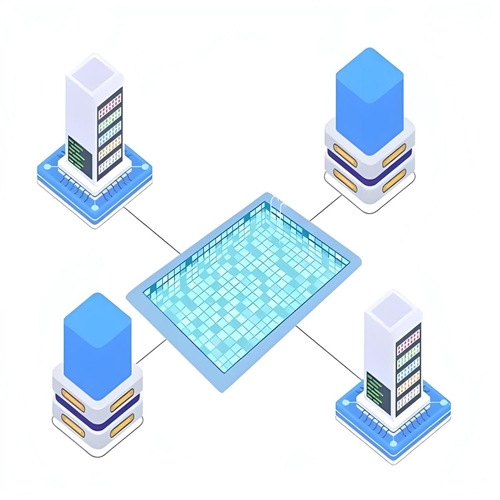
Through sensors, flow meters, level gauges, pressure gauges, and other devices, the system collects real-time data from the hot spring area. An intelligent control system is used to automate the operation of constant temperature equipment, heat pumps, water pumps, sand filters, disinfection equipment, and other devices. Combining wireless sensing, the Internet of Things, and internet technologies, an IoT cloud platform is built to centrally manage hot spring pools, power and energy systems, water and electricity operations, lighting systems, audio-visual systems, sauna rooms, and other related systems or equipment.
This enables remote monitoring, control, and maintenance, making hot spring management more intelligent, ensuring the effective utilization of hot spring resources, rational operation of equipment, improving hot spring management and service levels, and reducing operation and maintenance costs.
Data Acquisition:
Collection of data such as pool water temperature, water quality, water level, flow rate; current, voltage, running time, start/stop status, and fault information. The data is simultaneously transmitted to various management centers.
Data Analysis:
Real-time data is displayed synchronously on all platforms. If water level, water temperature, or other values exceed preset parameters, the system automatically triggers an alarm. The system provides historical reports including annual, monthly, and daily reports, as well as trend charts.
Data Storage:
Collected data is automatically categorized and stored, forming a historical database that can be queried at any time, providing data support for hot spring management.
Human-Machine Interaction:
The local control terminal uses a high-definition touchscreen human-machine interface display panel, which displays real-time values such as water temperature, water quality, and time. It allows for parameter settings, equipment start/stop operations, and other functions.
Automatic Control:
The system has manual and automatic control functions, with one-button switching to automatic control. Hot spring equipment operates fully automatically without manual intervention.
Fault Management:
The system monitors the operating status of equipment in real time. If a fault occurs, it automatically triggers an alarm and activates overcurrent and overvoltage protection. If abnormal conditions such as water level or water pressure are detected, it automatically triggers an alarm and stops the corresponding equipment.
Centralized Management:
The system's central control room management platform can centrally control all controlled equipment in the hot spring project, managing all hot spring pools and providing all the control functions of the control terminal.
Mobile Management:
Mobile phones can be used to remotely view water temperature, water level, and equipment operating status anytime, anywhere, receive alarm information, modify parameters, and control equipment start/stop.
Through sensors, flow meters, level gauges, pressure gauges, and other devices, the system collects real-time data from the hot spring area. An intelligent control system is used to automate the operation of constant temperature equipment, heat pumps, water pumps, sand filters, disinfection equipment, and other devices. Combining wireless sensing, the Internet of Things, and internet technologies, an IoT cloud platform is built to centrally manage hot spring pools, power and energy systems, water and electricity operations, lighting systems, audio-visual systems, sauna rooms, and other related systems or equipment.
This enables remote monitoring, control, and maintenance, making hot spring management more intelligent, ensuring the effective utilization of hot spring resources, rational operation of equipment, improving hot spring management and service levels, and reducing operation and maintenance costs.
Data Acquisition:
Collection of data such as pool water temperature, water quality, water level, flow rate; current, voltage, running time, start/stop status, and fault information. The data is simultaneously transmitted to various management centers.
Data Analysis:
Real-time data is displayed synchronously on all platforms. If water level, water temperature, or other values exceed preset parameters, the system automatically triggers an alarm. The system provides historical reports including annual, monthly, and daily reports, as well as trend charts.
Data Storage:
Collected data is automatically categorized and stored, forming a historical database that can be queried at any time, providing data support for hot spring management.
Human-Machine Interaction:
The local control terminal uses a high-definition touchscreen human-machine interface display panel, which displays real-time values such as water temperature, water quality, and time. It allows for parameter settings, equipment start/stop operations, and other functions.
Automatic Control:
The system has manual and automatic control functions, with one-button switching to automatic control. Hot spring equipment operates fully automatically without manual intervention.
Fault Management:
The system monitors the operating status of equipment in real time. If a fault occurs, it automatically triggers an alarm and activates overcurrent and overvoltage protection. If abnormal conditions such as water level or water pressure are detected, it automatically triggers an alarm and stops the corresponding equipment.
Centralized Management:
The system's central control room management platform can centrally control all controlled equipment in the hot spring project, managing all hot spring pools and providing all the control functions of the control terminal.
Mobile Management:
Mobile phones can be used to remotely view water temperature, water level, and equipment operating status anytime, anywhere, receive alarm information, modify parameters, and control equipment start/stop.