
Description
1. Manganese Sand Filter Media:
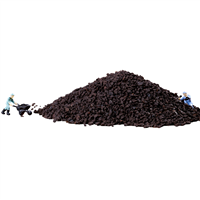
Manganese sand filter media is processed from high-quality natural manganese ore. It consists of natural manganese ore sand with dense crystals, high mechanical strength, strong chemical activity, resistance to crushing, and insolubility in water. The sand is processed through washing, grinding, impurity removal, crushing, drying, magnetic separation, screening, and dust removal. The processed manganese sand is then blended according to a specific grading. It possesses the ideal grading ratio for water treatment filter media, resulting in the largest specific surface area, strongest pollutant removal capacity, greatest oxidation catalytic effect, and minimum backwashing requirements per unit volume. It has a brownish appearance and is particularly effective for iron and manganese removal from groundwater. The main component of manganese sand filter media is manganese dioxide, with a content between 25% and 65%.
2. Activated Carbon Filter Media:
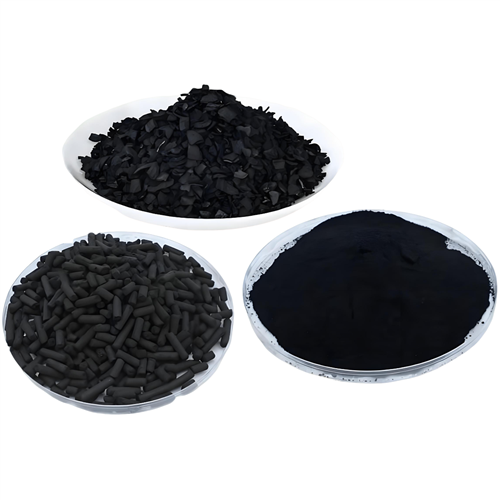
Activated carbon filter media, produced from high-quality wood chips and other raw materials using the zinc chloride method, features a well-developed mesoporous structure, large adsorption capacity, and rapid filtration characteristics.
Wood-based powdered activated carbon filter media produced by the phosphoric acid method has a well-developed mesoporous structure and a large specific surface area, resulting in a large adsorption capacity, fast filtration speed, and the absence of zinc salts. It is widely used for decolorization, purification, deodorization, and impurity removal in the food industry for products such as sugars, glutamic acid and its salts, lactic acid and its salts, citric acid and its salts, wine, condiments, animal and plant proteins, biochemical products, pharmaceutical intermediates, vitamins, and antibiotics.
3. Activated Alumina Filter Media:
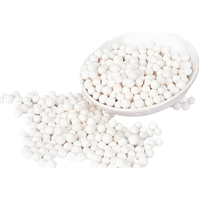
Fluoride removal filters use activated alumina adsorbent for fluoride removal. Activated alumina adsorption filtration is a relatively mature, widely used, and effective method for fluoride removal.
Fluoride-containing water passes through an activated alumina adsorption filter layer with a large specific surface area. Under a pH of 5-6, fluoride ions in the water are adsorbed to form insoluble fluorides and are removed. The reaction is as follows: R2SO4 + 2F? = R2F2 + SO42?
After the adsorbent becomes ineffective, it is regenerated with an aluminum sulfate solution to restore its adsorption capacity. The ratio of its dosage to the amount of fluoride removed is 60:1, the regeneration concentration is 1%-2%, and it is cleaned once every 3-4 months with a 3.5% HCl solution. After cleaning, it can be rinsed with defluorinated water for 8-10 minutes. When the raw water pH is greater than 7, carbon dioxide gas is generally used for adjustment.
Manganese sand filter media is processed from high-quality natural manganese ore. It consists of natural manganese ore sand with dense crystals, high mechanical strength, strong chemical activity, resistance to crushing, and insolubility in water. The sand is processed through washing, grinding, impurity removal, crushing, drying, magnetic separation, screening, and dust removal. The processed manganese sand is then blended according to a specific grading. It possesses the ideal grading ratio for water treatment filter media, resulting in the largest specific surface area, strongest pollutant removal capacity, greatest oxidation catalytic effect, and minimum backwashing requirements per unit volume. It has a brownish appearance and is particularly effective for iron and manganese removal from groundwater. The main component of manganese sand filter media is manganese dioxide, with a content between 25% and 65%.
2. Activated Carbon Filter Media:
Activated carbon filter media, produced from high-quality wood chips and other raw materials using the zinc chloride method, features a well-developed mesoporous structure, large adsorption capacity, and rapid filtration characteristics.
Wood-based powdered activated carbon filter media produced by the phosphoric acid method has a well-developed mesoporous structure and a large specific surface area, resulting in a large adsorption capacity, fast filtration speed, and the absence of zinc salts. It is widely used for decolorization, purification, deodorization, and impurity removal in the food industry for products such as sugars, glutamic acid and its salts, lactic acid and its salts, citric acid and its salts, wine, condiments, animal and plant proteins, biochemical products, pharmaceutical intermediates, vitamins, and antibiotics.
3. Activated Alumina Filter Media:
Fluoride removal filters use activated alumina adsorbent for fluoride removal. Activated alumina adsorption filtration is a relatively mature, widely used, and effective method for fluoride removal.
Fluoride-containing water passes through an activated alumina adsorption filter layer with a large specific surface area. Under a pH of 5-6, fluoride ions in the water are adsorbed to form insoluble fluorides and are removed. The reaction is as follows: R2SO4 + 2F? = R2F2 + SO42?
After the adsorbent becomes ineffective, it is regenerated with an aluminum sulfate solution to restore its adsorption capacity. The ratio of its dosage to the amount of fluoride removed is 60:1, the regeneration concentration is 1%-2%, and it is cleaned once every 3-4 months with a 3.5% HCl solution. After cleaning, it can be rinsed with defluorinated water for 8-10 minutes. When the raw water pH is greater than 7, carbon dioxide gas is generally used for adjustment.