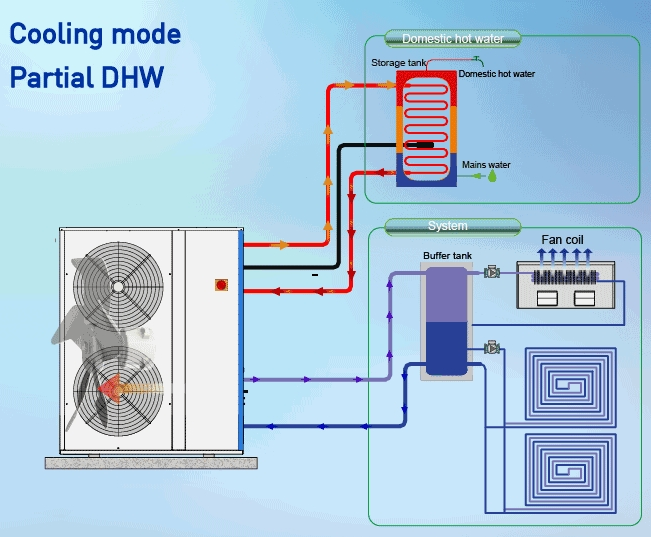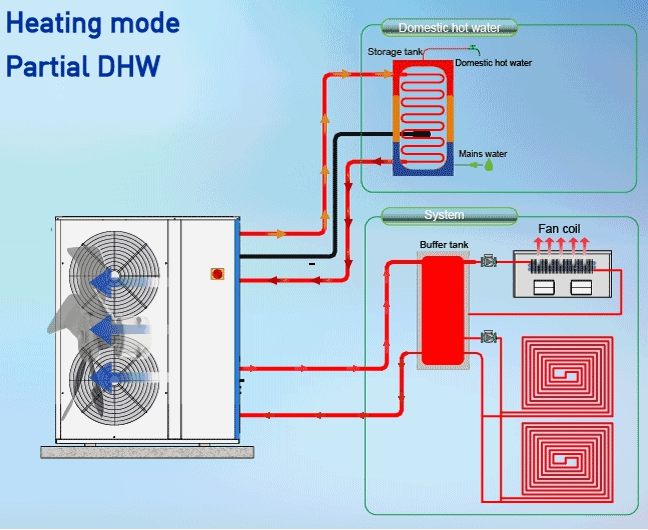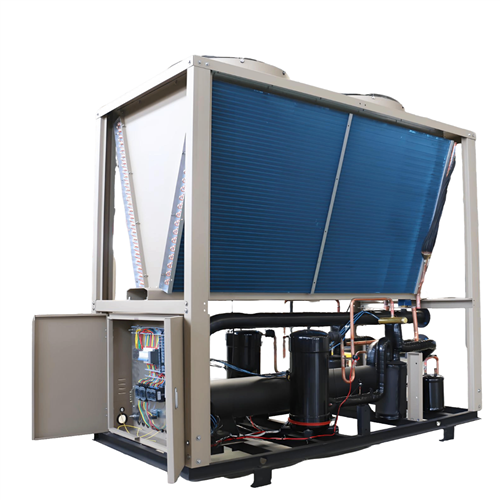
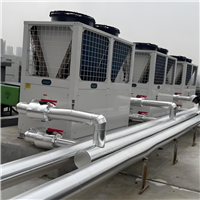
Description
Advantages of air source heat pumps:
Energy-efficient: Heat is primarily derived from low-grade heat in the air, saving electricity;
Environmentally friendly: No wastewater, waste residue, waste heat, or exhaust gas emissions, causing no pollution to the atmosphere or environment;
Intelligent control: The unit is automatically controlled by a microcomputer and does not require dedicated personnel;
Easy installation: Can be installed in outdoor open spaces, rooftops, balconies, etc., without the need for a dedicated equipment room;
Disadvantages of air source heat pumps:
Frosting in winter: Evaporator frosting occurs at temperatures between -2℃ and 5℃;
Difficulty starting at low temperatures: The unit cannot start or has difficulty starting when the ambient temperature is below -5℃;
Performance degradation at low temperatures: Below -5℃, the heating capacity decreases by 35%-60%;
![]()
![]()
Energy-efficient: Heat is primarily derived from low-grade heat in the air, saving electricity;
Environmentally friendly: No wastewater, waste residue, waste heat, or exhaust gas emissions, causing no pollution to the atmosphere or environment;
Intelligent control: The unit is automatically controlled by a microcomputer and does not require dedicated personnel;
Easy installation: Can be installed in outdoor open spaces, rooftops, balconies, etc., without the need for a dedicated equipment room;
Disadvantages of air source heat pumps:
Frosting in winter: Evaporator frosting occurs at temperatures between -2℃ and 5℃;
Difficulty starting at low temperatures: The unit cannot start or has difficulty starting when the ambient temperature is below -5℃;
Performance degradation at low temperatures: Below -5℃, the heating capacity decreases by 35%-60%;