
Description
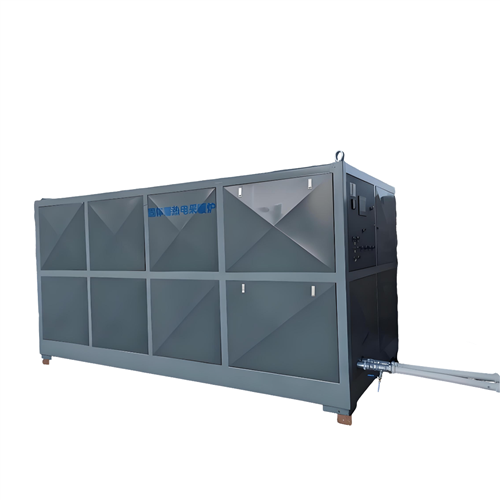
Thermal storage electric boilers use electricity as their energy source, utilizing off-peak electricity to heat a thermal storage medium and store thermal energy, which is then released during peak hours for heating. They primarily consist of the electric boiler body, a thermal storage device, and a control system. Their core component uses resistive heating elements to convert electrical energy into thermal energy, and they reduce operating costs through time-of-use electricity pricing. They are suitable for the central heating needs of large public buildings. Based on the thermal storage mode, they can be divided into full thermal storage (completely relying on off-peak electricity) and semi-thermal storage (partially using off-peak electricity) types, offering both grid load balancing and energy saving and emission reduction functions.
During off-peak hours, the electric boiler is switched on to heat water and store it in a water tank. During peak hours, the electric boiler is switched off. The hot water in the storage tank is then used for heating, achieving the goal of using either entirely off-peak electricity (full thermal storage) or partially off-peak electricity (semi-thermal storage) for heating.
Thermal storage electric boilers utilize off-peak electricity during the night for heating, storing the heat at night and using it for heating during the day. This system improves equipment utilization and reduces initial investment costs.
During off-peak hours, the electric boiler is switched on to heat water and store it in a water tank. During peak hours, the electric boiler is switched off. The hot water in the storage tank is then used for heating, achieving the goal of using either entirely off-peak electricity (full thermal storage) or partially off-peak electricity (semi-thermal storage) for heating.
Thermal storage electric boilers utilize off-peak electricity during the night for heating, storing the heat at night and using it for heating during the day. This system improves equipment utilization and reduces initial investment costs.